The Art of Cognition: Embracing the Prairie Flower Blooming Anatomical Brain in Modern Design
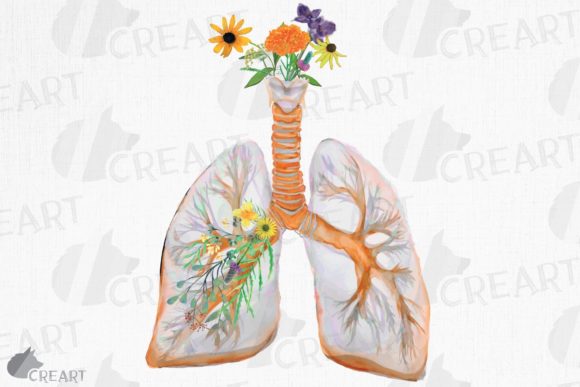
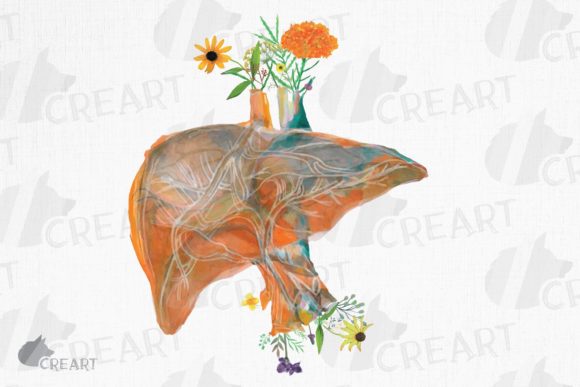
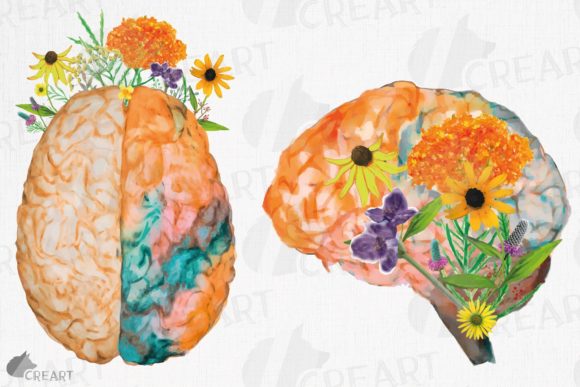
In the evolving landscape of visual communication, the intersection of science and nature has emerged as a powerful narrative tool. One of the most compelling manifestations of this trend is the Prairie Flower Blooming Anatomical Brain. This unique artistic concept merges the intricate complexity of human neurology with the organic, untamed beauty of prairie flora. It represents more than just an aesthetic choice; it symbolizes growth, resilience, and the natural unfolding of mental potential. For professionals, creators, and entrepreneurs navigating a world that increasingly values authenticity and emotional connection, this imagery offers a versatile medium to convey profound messages about mental health, education, and personal evolution.
The relevance of this specific design motif extends far beyond simple decoration. As society becomes more open about mental health discussions, the demand for imagery that destigmatizes neurological topics while celebrating them has surged. The traditional view of the brain as a cold, clinical organ is being replaced by visuals that suggest life, color, and vitality. By incorporating watercolour floral elements into anatomical structures, designers can soften the medical edge, making concepts like neurology and psychology more accessible and inviting to a broader audience. This shift aligns perfectly with current market preferences where consumers seek products that feel personal, handcrafted, and meaningful.
The Convergence of Science and Nature in Visual Trends
The popularity of the Prairie flowers blooming anatomical brain reflects a broader cultural movement toward biophilic design and the integration of natural elements into our digital and physical environments. In recent years, there has been a noticeable pivot away from sterile, corporate minimalism toward designs that evoke warmth and organic texture. This is particularly evident in the wellness and education sectors. A neurologist or medical student today often seeks gifts and branding materials that reflect not just their expertise, but also their humanity. The yellow and orange hues often found in these designs evoke energy, optimism, and creativity, countering the somber tones sometimes associated with medical imagery.
This trend is not merely superficial; it responds to a changing workflow among creatives and business owners. With the rise of remote work and digital entrepreneurship, individuals are curating their visual identities more carefully than ever before. Whether it is for a blog header, a podcast cover, or a line of merchandise, the imagery chosen must tell a story. The anatomical brain blooming with prairie flowers tells a story of intelligence rooted in nature, suggesting that our cognitive abilities are living, growing entities. This narrative resonates deeply with educators and therapists who aim to foster growth mindsets in their clients and students.
Practical Applications for Creators and Entrepreneurs
For those involved in product creation, marketing, or content development, the versatility of watercolour floral human brain clip art cannot be overstated. The utility of such assets lies in their adaptability across various mediums. Consider the sublimation industry, which has seen exponential growth as small business owners look for unique ways to customize tumblers, mugs, and apparel. A high-quality design featuring yellow and orange brains surrounded by wildflowers can transform a standard coffee mug into a thoughtful gift for a med student or a statement piece for a mental health advocate.
The technical specifications of modern digital assets play a crucial role in their usability. When selecting resources for professional projects, file format compatibility is paramount. A comprehensive package typically includes multiple formats to ensure seamless integration into different workflows:
- PNG Files: High-resolution images with transparent backgrounds are essential for layering designs over colored surfaces without unsightly white boxes. These are ideal for web design, digital invitations, and sticker creation.
- SVG and AI Files: Vector formats allow for infinite scalability. Whether you are printing a small logo on a business card or a large mural for floral wall decor, vector objects can be resized without any quality loss. This is critical for maintaining professionalism in print media.
- EPS and PDF Files: Compatibility with Corel Draw and Adobe Acrobat ensures that users across different software ecosystems can access and manipulate the design elements effectively.
- Layered Photoshop Files: For advanced editors, having access to layered elements allows for precise color adjustments and compositional tweaks, ensuring the final product matches the brand's specific palette.
Furthermore, the ability to change colors in vector formats means that a single design can be adapted for seasonal campaigns or specific brand guidelines. A creator might start with the vibrant yellow and orange theme to signify energy and then adjust the hues to softer pastels for a spring collection or deep earth tones for an autumn launch. This flexibility maximizes the return on investment for digital assets, allowing one purchase to fuel multiple product lines.
Elevating Personal and Professional Gifting
The niche market for specialized gifts, particularly for professionals in the medical and scientific fields, is ripe for innovation. Traditional gifts for neurologists, psychiatrists, or medical students often lack personalization or artistic flair. The Neurologist med student gift category is being redefined by items that blend professional pride with artistic expression. A tumbler featuring a blooming brain design serves as a daily reminder of the beauty of the human mind, making it a cherished item for someone spending long hours in study or practice.
Beyond individual gifts, this imagery is finding a home in event planning and community building. Wedding decor and invitation suites are increasingly moving away from generic templates toward themes that reflect the couple's shared interests or values. For a couple where one or both partners work in healthcare or psychology, incorporating mental health brain clip art into their stationery adds a layer of personal significance. Similarly, scrapbooking projects aimed at documenting a journey through medical school or therapy can utilize these elements to create visually cohesive and emotionally resonant memory books.
Navigating the Technical Landscape of Digital Crafting
As the maker economy continues to expand, the expectation for high-quality, ready-to-use digital assets has risen. Users no longer want to spend hours tracing images or removing backgrounds. They require files that are "print-ready" and compatible with a variety of image editing and crafting programs. The inclusion of JPG files alongside vector formats ensures that even those with limited technical expertise can utilize the designs immediately. For instance, a blogger can quickly insert a JPG into a post, while a graphic designer can manipulate the AI file for a complex marketing campaign.
It is also important to note the significance of clean, unbranded files. Professional usage demands that no logos or paper textures appear on purchased items unless intentionally added by the creator. This cleanliness ensures that the final product looks polished and proprietary. Whether the end goal is to create promotional materials, T-shirts, or web graphics, the integrity of the image must remain intact. The transparency of PNG files allows these designs to be placed on any color or background, providing endless creative freedom.
The Future of Mental Health Advocacy Through Art
Looking forward, the role of art in mental health advocacy is likely to grow even more prominent. Visuals that normalize conversations about the brain and mental well-being are essential tools for reducing stigma. The Prairie Flower Blooming Anatomical Brain serves as a metaphor for recovery and growth—suggesting that even amidst the complex wiring of our minds, there is room for beauty and blooming. This perspective is invaluable for therapists, counselors, and organizations working to promote mental wellness.
By integrating these designs into everyday objects like clothing, stickers, and home decor, we bring these conversations into the public sphere in a non-threatening, approachable way. A sticker on a laptop or a design on a tote bag can spark curiosity and dialogue, fostering a community of support and understanding. For entrepreneurs, tapping into this sentiment offers not just a business opportunity, but a chance to contribute to a positive cultural shift.
In conclusion, the fusion of anatomical accuracy with the softness of watercolour florals represents a sophisticated evolution in design trends. It meets the needs of modern consumers who value depth, meaning, and versatility. Whether used for commercial sublimation projects, educational materials, or personal gifts, the Prairie flowers blooming anatomical brain provides a rich visual language that speaks to the intellect and the heart alike. As technology and creativity continue to merge, assets that offer both high technical fidelity and emotional resonance will remain indispensable tools for storytellers and creators around the globe.