Unlocking Creative Potential with Butterfly Silhouette Collections
There is a distinct elegance in the simplicity of a silhouette. When you strip away the intricate details of texture and color, what remains is pure form, and few forms are as universally recognized and aesthetically pleasing as the butterfly. For designers, crafters, and content creators, accessing a high-quality Butterfly Silhouette Collections set can be the difference between a project that feels amateurish and one that exudes professional polish. These assets are not just images; they are foundational building blocks for everything from t-shirt designs and logos to web page headers and educational materials. However, simply downloading a pack of graphics does not guarantee success. Many creators stumble not because they lack talent, but because they overlook critical technical details regarding file formats, scalability, and licensing.
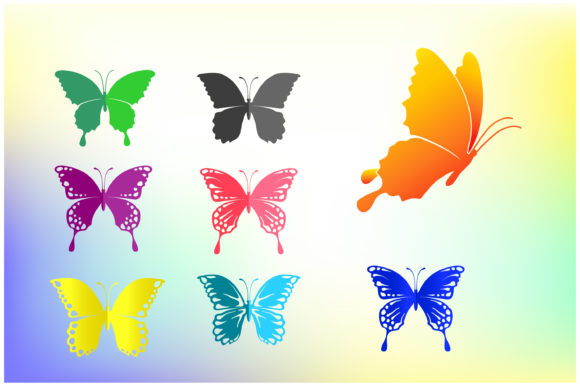
The primary appeal of these collections lies in their versatility. A well-curated set provides vector template design graphics that are openable, editable, and resizable without losing quality. This means you can take a tiny icon intended for a website footer and scale it up to cover the back of a truck wrap without encountering pixelation. Yet, a common misunderstanding among beginners is treating all digital files as equal. You might find a collection that looks perfect in a preview thumbnail, only to discover upon download that the files are low-resolution raster images rather than true vectors. This mistake can severely limit your usability, forcing you to recreate work or settle for blurry outputs that damage your brand's presentation.
Navigating File Formats and Quality Traps
One of the most frequent errors creators make is ignoring the specific file types included in a download. A robust butterfly silhouette collections package should ideally include a variety of formats to suit different workflows, such as JPG files, EPS10 Files, PNG files, and SVG files. Relying solely on JPGs is a significant pitfall. While JPGs are universal, they are raster-based and do not support transparency. If you attempt to place a JPG silhouette over a colored background or a textured fabric, you will be stuck with an unsightly white box around your design. This limits your ability to add elements to your design seamlessly.
To avoid this, always prioritize vector formats like EPS10 and SVG for any project requiring scaling or editing. EPS10 files are the industry standard for print professionals, compatible with software like Adobe Illustrator and CorelDRAW. They allow you to manipulate anchor points, change stroke weights, and adjust curves to customize the butterfly's shape to fit your specific layout. SVG files, on the other hand, are essential for web developers and digital designers. They ensure crisp rendering on screens of all resolutions and can be animated or styled with CSS. Before purchasing or downloading, verify that the collection offers these vector options. If a seller only provides PNGs, ask yourself if you truly need a static image or if a scalable vector would serve your long-term needs better.
The Danger of Overlooking Editability
Another subtle but costly mistake is assuming that "vector" automatically means "editable." Some files are delivered as flattened vectors or grouped paths that are difficult to separate. For instance, if you intend to use a butterfly silhouette as part of a complex logo where the wings need to interact with text or other shapes, you need access to individual path layers. A poor-quality collection might group all elements together, making it a tedious chore to ungroup and isolate specific parts. This inefficiency wastes valuable time, especially for freelancers working under tight deadlines.
A better approach is to test a sample file if available, or read the product description carefully for mentions of "layered" or "organized" paths. High-quality files are structured logically, allowing you to quickly recolor sections or modify the outline. Consider a scenario where you are designing a t-shirt for a spring festival. You want the butterfly's wings to match the event's specific color palette. With a properly organized EPS file, this is a two-click process. With a poorly constructed file, it could become a thirty-minute struggle involving pathfinder tools and manual tracing. Always check for editability to ensure your workflow remains smooth and cost-effective.
Contextual Application and Design Harmony
Even with the perfect files, misapplication can ruin a design. A common oversight is using a silhouette style that clashes with the overall aesthetic of the project. Butterfly silhouettes range from highly realistic and detailed to abstract and minimalist. Using a hyper-detailed silhouette in a flat-design mobile app interface can create visual noise and confusion. Conversely, using an overly simplistic outline for a high-end wedding invitation might appear too casual. The key is to evaluate the Butterfly Silhouette Collections against your specific design language before committing.
Furthermore, many users forget to consider the negative space within the silhouette. In print applications, especially vinyl cutting or screen printing, extremely thin connections or isolated islands within the design can lead to production failures. Before sending files to a printer or a cutting machine, inspect the vector paths for structural integrity. Ensure that delicate wing patterns are thick enough to hold up during the manufacturing process. This proactive check prevents wasted materials and ensures the final product matches your vision.
- Check Resolution: Ensure PNGs are at least 300 DPI for print purposes to avoid blurriness.
- Verify Transparency: Open PNG files in an editor to confirm the background is truly transparent.
- Test Scalability: Zoom in to 400% on vector files to ensure lines remain smooth and anchors are clean.
- Review Licensing: Always read the license agreement to confirm if the files are permitted for commercial use, especially if you are selling products like t-shirts or logos.
Making the Right Choice for Your Projects
When evaluating a potential download, look beyond the quantity of files and focus on the curation. A collection with fifty inconsistent styles is less useful than a set of twenty cohesive designs that work well together. Consistency is crucial for branding and series-based projects. If you are building a website or a blog, having a unified set of icons and illustrations helps maintain a professional identity. Additionally, consider the source. Reputable creators often provide documentation or support, which can be invaluable if you encounter compatibility issues with your software version.
Ultimately, the goal is to enhance your creative output efficiently. By choosing a comprehensive butterfly silhouette collections package that includes JPG, EPS10, PNG, and SVG formats, you equip yourself with the flexibility to tackle any project. Whether you are an educator creating classroom decorations, a marketer designing social media graphics, or an entrepreneur launching a new apparel line, the right assets streamline your process. Avoid the trap of settling for low-quality downloads that restrict your potential. Instead, invest time in finding resources that offer true editability and high-fidelity resolution. This diligence pays off in the quality of your final work, ensuring that your designs communicate clarity, professionalism, and artistic intent every time.