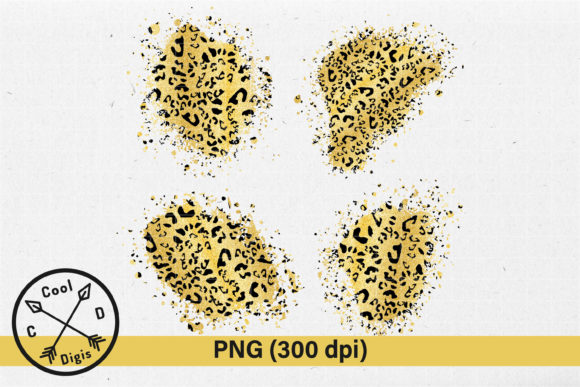
Gold Leopard Print Distressed Patches for Bold Designs
The intersection of luxury and grit defines some of the most compelling visual trends in modern design. Gold leopard print distressed patches represent a unique fusion of opulent texture and worn, vintage character. For creators working in textile printing, digital sublimation, or graphic design, these elements offer more than just a pattern; they provide a narrative tool. The combination of metallic gold tones with the organic chaos of a leopard spot, softened by intentional distressing, creates an asset that feels both high-end and lived-in. This duality makes it an incredibly versatile component for projects ranging from streetwear fashion to sophisticated web backgrounds.
When you integrate gold leopard print patches PNG distressed sublimation patches into your workflow, you are accessing a resource designed for adaptability. Unlike flat, solid colors, these textures carry depth. The distressing effect mimics the natural wear and tear found on vintage garments or aged materials, adding instant authenticity to new creations. Whether you are a small business owner launching a clothing line or a freelancer designing marketing materials for a bold brand, understanding how to leverage this specific aesthetic can elevate your output from generic to distinctive.
Unlocking Creative Potential in Textile and Digital Media
The primary appeal of these assets lies in their flexibility across different mediums. Because the collection includes high-quality PNG files at 300 DPI in RGB, they are ready for immediate application in both physical and digital realms. The transparent background inherent in PNG formats allows designers to layer these patches over various substrates without worrying about unsightly white boxes or rigid borders.
In the world of textile printing, specifically sublimation, these patches shine. Sublimation requires high-resolution imagery to ensure that the dye transfers cleanly into the fabric fibers. A 300 DPI resolution ensures that the fine details of the leopard spots and the subtle gradients of the gold distressing remain crisp, even when printed on large formats like hoodies or tote bags. The distressed nature of the print is particularly forgiving on textiles; it blends seamlessly with the fabric's weave, making the design feel like an integral part of the garment rather than a sticker placed on top.
Beyond clothing, these elements serve as powerful tools for web backgrounds and digital marketing assets. In an era where flat design often dominates, adding a textured, gold-leopard overlay can create a focal point that captures attention without overwhelming the user interface. Imagine using a faded version of the patch as a watermark behind a "Sale" banner or as a textured border for a social media post promoting a luxury event. The key is to adjust the opacity and blending modes in your software to ensure the text remains legible while the background adds atmospheric depth.
Practical Applications for Diverse Creators
Different professionals can interpret and utilize gold leopard print distressed patches in ways that align with their specific goals. Here is how various creators can adapt these assets:
- Fashion Entrepreneurs: Use the patches to create limited-edition runs of t-shirts or denim jackets. The distressed look pairs exceptionally well with dark fabrics like black cotton or indigo denim, where the gold pops against the deep background.
- Graphic Designers: Incorporate the elements into branding packages for clients in the beauty, nightlife, or boutique retail sectors. The aesthetic suggests confidence and exclusivity.
- Educators and Workshop Leaders: Utilize the files in tutorials teaching students about layering techniques, masking, and texture integration in software like Photoshop or GIMP.
- Bloggers and Content Creators: Apply the patches to YouTube thumbnails or blog headers to establish a consistent, recognizable visual identity that stands out in crowded feeds.
The versatility extends to the style of the final product as well. While the base element is a leopard print, the application determines the vibe. A full-coverage sublimation print creates a bold, maximalist statement piece suitable for stage costumes or festival wear. Conversely, placing a single, smaller patch on the chest pocket of a shirt offers a subtle nod to the trend, appealing to audiences who prefer understated elegance.
Technical Execution and Workflow Best Practices
To achieve professional results, prior knowledge of sublimation and image editing is essential. These digital downloads are not drag-and-drop solutions for every context; they require thoughtful manipulation to fit your specific project needs. Since the design is large and scalable, you have the freedom to resize the elements without losing quality, but you must respect the technical limitations of your output method.
When preparing files for sublimation printing, remember that you are working in the RGB color space, which is ideal for screens but behaves differently when transferred to physical objects. The vibrancy of the gold depends heavily on the substrate used. Polyester-rich fabrics will yield the brightest, most metallic results, while cotton blends may produce a softer, more vintage look that complements the distressed aesthetic naturally. Always test print on a scrap piece of your intended material to gauge color accuracy before committing to a full production run.
Software proficiency plays a critical role in maximizing the value of these four PNG elements. Programs like Adobe Photoshop, Illustrator, CorelDraw, PaintShop, Inkscape, or Gimp allow you to isolate specific parts of the leopard pattern, adjust the hue to shift the gold toward rose or champagne tones, or combine multiple patches to create a seamless collage. Layer masks are particularly useful here; they enable you to fade the edges of the patch into the background, enhancing the distressed effect and ensuring a smooth transition between the graphic and the base material.
Maintaining Consistency and Quality
One of the challenges in using textured assets is maintaining consistency across different platforms and products. Colors may vary from screen to printer, and even between different batches of ink or fabric. To mitigate this, adopt a systematic approach:
- Calibrate Your Monitor: Ensure your display accurately represents colors so that what you see during the design phase matches your expectations.
- Document Your Settings: Keep a record of the CMYK or RGB values, opacity levels, and blending modes used for successful projects. This creates a style guide you can reference for future work.
- Consider the Audience: Tailor the intensity of the gold and the amount of distressing to your target demographic. A younger audience might appreciate a heavier, grungier distortion, while a corporate client might prefer a cleaner, more refined application of the pattern.
It is also important to organize your digital assets effectively. Since the collection comes in a ZIP folder containing four distinct high-quality files, take the time to rename and tag them according to their specific variations. This saves time during the creative process and prevents the frustration of searching for the right file mid-project.
Ultimately, gold leopard print distressed patches are more than just decorative images; they are building blocks for storytelling. They allow you to inject a sense of history, luxury, and edge into your work. By combining technical precision with creative intuition, you can transform these digital downloads into tangible products and visuals that resonate with your audience. Whether you are printing on a t-shirt or designing a website, the goal remains the same: to create something that feels authentic, engaging, and uniquely yours.