Evaluating the Geometrical Pattern Letter V for Modern Design Projects
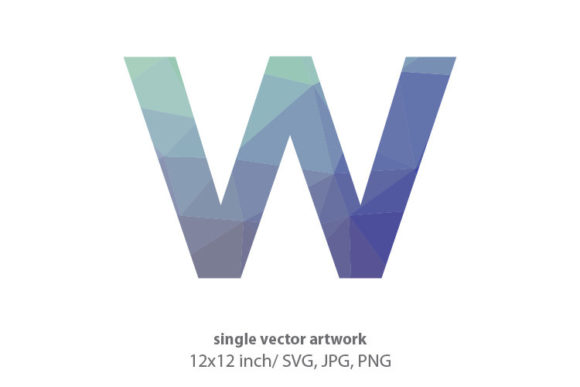
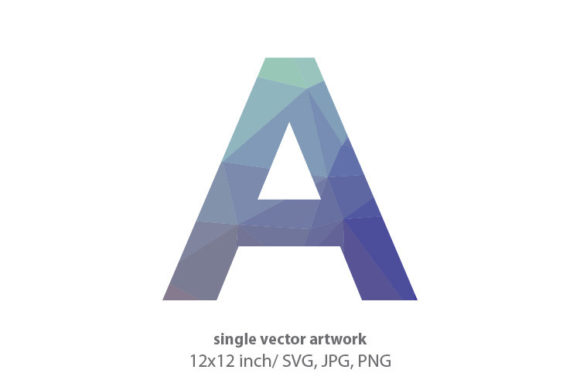
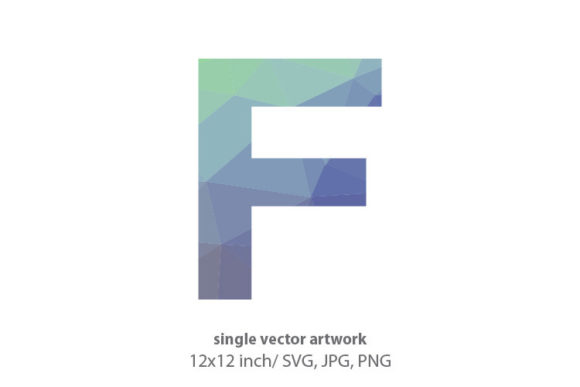
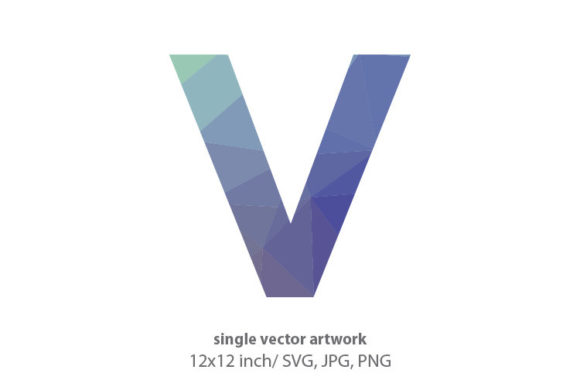
In the realm of graphic design and digital crafting, the choice of foundational elements often dictates the success of a final product. Among the vast array of typographic and decorative assets available, the Geometrical Pattern Letter V stands out as a versatile component for creators seeking precision and modern aesthetics. This specific type of vector artwork combines the structural integrity of geometric shapes with the recognizability of alphabetical characters, offering a unique bridge between abstract art and functional typography. For designers, hobbyists, and small business owners evaluating resources for logo creation, wall art, or stationery, understanding the distinct properties of this asset is crucial for making an informed decision.
The core appeal of a geometrical pattern based on the letter V lies in its adaptability. Unlike hand-drawn scripts or organic illustrations that may lose clarity when resized, geometric vectors maintain crisp edges at any scale. When you utilize a high-resolution file, such as one provided at 300 DPI in RGB color palette, you ensure that the output remains sharp whether it is displayed on a retina screen or printed on a large format poster. The specific configuration of a 12x12 inch artboard provides a square canvas that is particularly conducive to social media graphics, album covers, and balanced print layouts, reducing the need for extensive cropping or restructuring during the design process.
Comparing Vector Formats and File Utilities
When assessing digital graphics elements, the file formats included in a package are often just as important as the visual design itself. A comprehensive zip file containing an SVG file, a JPG file, and a PNG file offers a significant advantage over single-format downloads. Each format serves a distinct purpose in the workflow of a creator, and understanding these differences helps in selecting the right tool for the job.
- SVG (Scalable Vector Graphics): This is arguably the most critical file for professional manipulation. Because it is vector-based, the Geometrical Pattern Letter V can be scaled infinitely without pixelation. It is ideal for logo design where the image might need to appear on a business card and a billboard simultaneously. Furthermore, SVGs allow for the modification of individual nodes and paths in software like Adobe Illustrator or Inkscape, enabling designers to customize the geometry to fit specific brand guidelines.
- PNG (Portable Network Graphics) with Transparent Background: For web design and digital invitations, the PNG format is indispensable. The inclusion of a transparent background means the letter V can be overlaid on colored papers, textured websites, or photographic backgrounds without unsightly white boxes surrounding the design. At 300 DPI, this rasterized version ensures high quality for digital printing services that may not accept vector files.
- JPG (Joint Photographic Experts Group): While less flexible due to its opaque background and lossy compression, the JPG remains a universal standard for quick previews, email attachments, and compatibility with older software or basic photo editors. It serves as a reliable fallback when vector editing tools are unavailable.
Compared to purchasing separate files or subscribing to stock photo libraries that often charge per download, acquiring a bundled set of these formats provides a cost-effective and efficient solution. It eliminates the friction of converting files manually, which can sometimes result in quality degradation or alignment issues.
Application Suitability: From Logos to Handmade Crafts
The utility of the Geometrical Pattern Letter V extends far beyond simple digital display. Its structured nature makes it particularly suitable for applications requiring symmetry and repetition. For instance, in logo design, the letter V often symbolizes victory, value, or forward motion. A geometric interpretation reinforces these concepts with a sense of stability and innovation, making it a strong candidate for tech startups, architectural firms, or fitness brands. However, designers must weigh this against the potential lack of warmth; geometric logos can sometimes feel cold if not balanced with appropriate color choices or complementary typography.
In the sphere of handmade craft items and printed paper items, the 12x12 inch dimension is highly strategic. This size aligns perfectly with standard scrapbooking paper and cutting machine mats used in die-cutting projects. Crafters can import the SVG directly into software associated with electronic cutting machines to create precise stencils, vinyl decals, or layered paper art. The clean lines of a geometric pattern ensure that intricate cuts do not tear easily, a common issue with more delicate, organic designs.
For party decor and invitations cards, the repeatability of the pattern allows for the creation of cohesive themes. A user might tile the letter V to create a custom wallpaper for a birthday bash or use a single instance as a monogram on wedding announcements. The 300 DPI resolution ensures that when these items are printed on cardstock or high-quality photo paper, the edges remain defined and professional. Conversely, for large-scale wall art intended to be viewed from a distance, users might find that a dedicated large-format vector source is preferable if they intend to print beyond the 12x12 inch limit without interpolation, although the SVG included mitigates this concern significantly.
Tradeoffs and Decision Factors
While the Geometrical Pattern Letter V offers numerous benefits, it is essential to recognize its limitations to determine if it is the right fit for your specific project. One primary consideration is the style alignment. Geometric patterns inherently convey a modern, minimalist, or industrial vibe. If a project requires a rustic, vintage, or highly ornate aesthetic—such as a traditional family crest or a whimsical children's book illustration—a strict geometric letter may feel out of place unless heavily modified. In such cases, exploring alternatives like hand-lettered scripts or serif-based ornaments might yield better results.
Another factor is the complexity of customization. While SVG files are editable, manipulating complex geometric patterns requires a certain level of proficiency with vector editing software. Users who rely solely on drag-and-drop editors like Canva or basic photo tools may find the JPG and PNG files sufficient but might struggle to leverage the full potential of the SVG. For these users, the tradeoff is between ease of use and creative flexibility. If the goal is a quick, ready-to-print invitation, the raster files are perfect. If the goal is a unique brand identity, the learning curve associated with editing the vector is a necessary investment.
Color management is also a vital decision point. The provision of files in the RGB color palette is optimized for digital screens and many modern home printers. However, for professional commercial printing, especially for large runs of stationery or packaging, conversion to CMYK is often required. Users should be aware that vibrant neon or deep blue tones in RGB may shift slightly when converted to CMYK. Those undertaking high-stakes commercial printing should verify color proofs before final production, whereas digital-only users or those using home printers will likely find the RGB profiles entirely adequate.
Strategic Implementation for Best Results
To maximize the value of the Geometrical Pattern Letter V, creators should consider the context of their audience. For graphic and web design, the clean lines of the vector load quickly and render sharply across devices, enhancing user experience. When used in announcements, the clarity of the letter ensures legibility even at smaller sizes. A practical approach involves using the geometric V as a framing element rather than just a central subject. For example, rotating four instances of the letter to form a border creates a sophisticated frame for text or photography, adding a layer of custom design without requiring original illustration skills.
Furthermore, the transparency of the PNG file allows for experimental layering. Designers can overlay the geometric pattern on textured backgrounds—such as marble, wood grain, or watercolor washes—to soften the rigidness of the geometry while retaining its structural definition. This technique is particularly effective in creating handmade cards that feel both modern and tactile.
Ultimately, the decision to utilize this specific digital graphic element depends on the balance between desired aesthetics and technical requirements. If your project demands scalability, precision, and a contemporary look, the Geometrical Pattern Letter V is a robust choice. The inclusion of multiple file formats removes technical barriers, allowing the creator to focus on the artistic application rather than file conversion. However, if the project necessitates a soft, organic feel or if the user lacks access to vector editing tools and requires extensive color manipulation for print, alternative resources might need to be considered alongside or instead of this asset.
By carefully evaluating the file types, resolution, and stylistic implications, adults engaging in design projects can ensure that the Geometrical Pattern Letter V serves as a powerful foundation for their creative endeavors, whether they are building a brand identity from scratch or adding a personal touch to a handmade gift.